Nitrate Spikes in Overstocked Breeding Tanks During Heatwaves
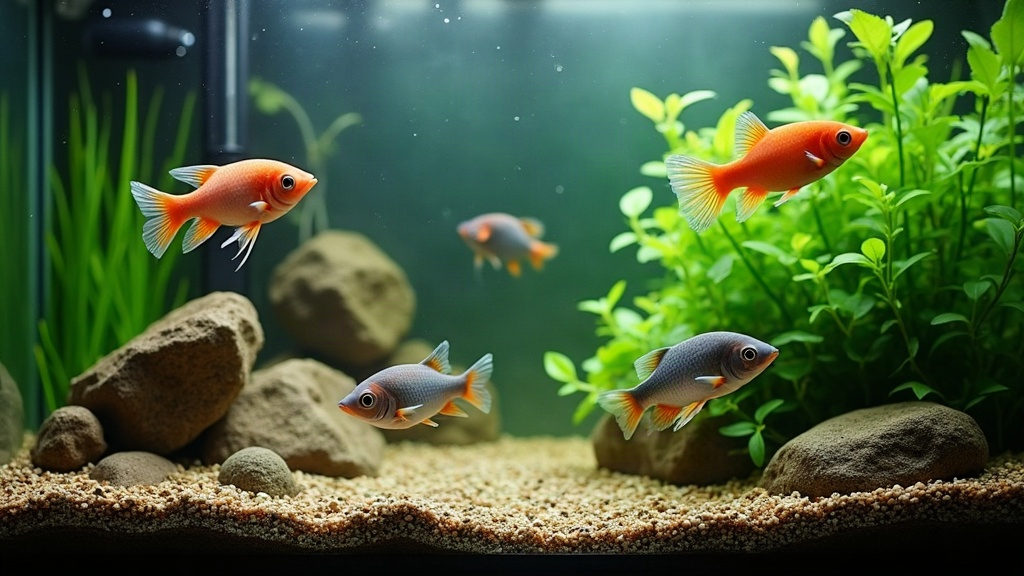
Unexplained nitrate spikes during summer heatwaves in an overstocked breeding tank aren’t really unexplained at all. Heat cranks up bacterial activity and fish metabolism at the exact moment your tank’s biological capacity is already stretched to its limit from overcrowding. Fixing it means tackling both the temperature stress and the underlying stocking problem, not just throwing water changes at the numbers until they look better.
Why Heat Makes Nitrate Spikes Worse
Warm water holds less dissolved oxygen, sure, but the bigger issue is that it speeds up practically every biological process happening in your tank simultaneously.
- Faster metabolism, more waste: Fish eat more and produce more ammonia as their metabolic rate climbs with the temperature. A goldfish that picks at food in cooler water will suddenly eat like it’s starving once the tank hits 82°F.
- Bacterial overdrive: Nitrifying bacteria convert ammonia to nitrite and nitrate faster in warm conditions, but when oxygen runs low, the final conversion stages can stall out. Nitrate (and sometimes nitrite) piles up quickly as a result.
- Increased evaporation: Water evaporates faster in a heatwave, which concentrates the nitrates already in the tank. A 20-gallon tank that loses two inches of water over a week isn’t producing more waste, it just has less water left to dilute what’s there.
- Reduced water changes: A lot of breeders skip or postpone water changes during heatwaves out of fear of temperature shock. That’s understandable, but it lets nitrates creep up quietly while nobody’s watching.
Why Overstocking Turns a Manageable Rise Into a Crisis
Breeding tanks get overstocked on purpose all the time, fry batches, extra pairs, grow-out groups crammed in together, which leaves almost zero buffer.
- Bioload outpaces filtration: A filter rated for “normal” stocking simply can’t keep up when heat multiplies the waste output of an already dense population. Do the math: 40 fry plus two adult pairs in a 30-gallon tank is a very different bioload than the tank was designed for.
- Uneaten food accumulates faster: More mouths to feed means more food going in, and any leftovers break down fast in warm water, adding straight into the ammonia-to-nitrate chain.
- Substrate and decor buildup: Overstocked tanks tend to have less open substrate you can actually siphon. Detritus collects in pockets behind plants and under caves, quietly fueling nitrate production while you’re none the wiser.
Diagnosing the Real Cause
Don’t just react. Test methodically first.
- Test nitrate, nitrite, ammonia, and pH. A nitrate spike on its own, with ammonia and nitrite sitting near zero, usually points to evaporation concentration or accumulated detritus rather than a full-blown cycle crash.
- Check tank temperature against your usual baseline. Even a 3-4°F (roughly 2°C) rise during a heatwave can shift bacterial and metabolic rates more than people expect.
- Measure evaporation loss. Mark the water line with tape or a grease pencil and check it again after 24-48 hours. A noticeable drop confirms concentration is at least part of what’s going on.
- Inspect the substrate and filter media for buildup, especially in corners and under decorations where water flow is weakest and gunk tends to hide.
Immediate Steps to Bring Nitrates Down
- Do a larger, temperature-matched water change (30-40%), using water pre-adjusted to match the tank’s current temperature so you don’t shock fry or breeding pairs.
- Top off evaporated water with dechlorinated water every single day during a heatwave, not just when you’re doing your scheduled water change.
- Reduce feeding slightly. Smaller, more frequent portions cut down on leftover food without starving fry that still need to grow.
- Increase surface agitation and aeration with an air stone, a spray bar, or by adjusting your filter outflow to break the surface. More oxygen means happier nitrifying bacteria.
- Bring in a portable fan or cool the room down to knock the tank temperature back 2-3°F. That eases stress on fish and takes some heat out of the bacterial overdrive too.
Preventing Recurrence
- Rehome or separate fry early, as soon as a batch reaches the size where the tank is genuinely, not just technically, overstocked.
- Upgrade filtration. Add extra biological media or run a dedicated secondary sponge filter for your breeding setups.
- Set a heatwave protocol. Bump water changes to twice a week and check temperature and nitrate daily any time ambient temps climb above your normal range.
- Add live plants like Amazon sword or hornwort. They pull nitrate straight out of the water column and help keep levels steady during high-bioload stretches.
- Consider a nitrate-reducing filter media as an extra layer of help, not a substitute for actual water changes.
Conclusion
A nitrate spike during a summer heatwave in an overstocked breeding tank is exactly what you’d expect when heat-accelerated biology runs into a tank that has no spare capacity left. It’s not a mystery, it’s math. Test carefully to figure out whether you’re dealing with concentration from evaporation, a bacterial lag, or genuine bioload overload, then pair temperature-matched water changes, daily top-offs, and lighter feeding with longer-term fixes like better filtration and getting fry out sooner rather than later. Treat every heatwave as a predictable seasonal risk, build a simple maintenance routine around it, and these spikes stop feeling like emergencies and start feeling like just another Tuesday.