Black vs Clear Silicone Seams for Iwagumi Tank Durability
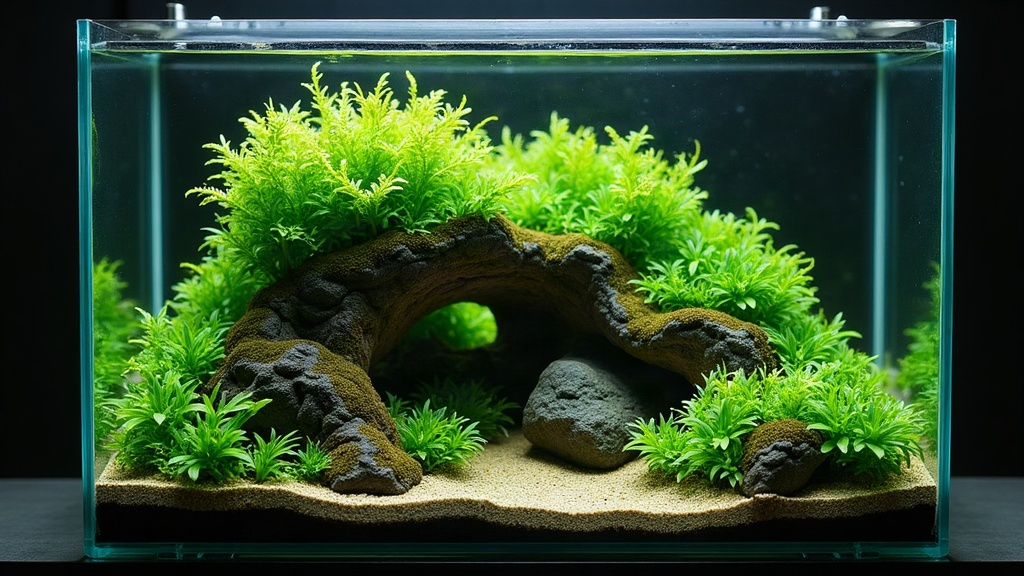
If you’re building or rebuilding a high-tension Iwagumi tank, the kind loaded with heavy stone layouts pushing outward against the glass, the silicone seam holding your panels together isn’t just cosmetic. It’s structural. Short answer: black silicone generally outperforms clear silicone for long-term durability in stressed, heavy-stone builds, mainly because of better UV stability and easier visual inspection. That said, true structural strength comes down to the silicone’s rated formula (100% silicone, aquarium-safe), not the color itself.
Why Seam Choice Matters More in Iwagumi Builds
Iwagumi layouts rely on large, often asymmetrically placed stones, sometimes dozens of pounds pressed directly against the glass walls or wedged tight into corners. Unlike a planted community tank where substrate weight spreads out evenly, this setup creates a different kind of stress:
- Point-load stress on specific seam sections instead of even pressure across the whole panel
- Micro-flexing over time as water chemistry shifts, temperature swings, and stones settle or nudge slightly
- Higher risk of slow seam failure, the kind that’s nearly invisible until it suddenly isn’t
This is exactly why seam quality, and your ability to actually monitor it, matters so much more here than in a standard tank setup. A 20-gallon community tank with gravel and a few driftwood pieces just doesn’t put your seams through this kind of punishment.
Black Silicone: The Practical Choice
Black silicone (think GE Silicone I or a dedicated aquarium-grade black sealant) has become the industry standard for display tanks, and there’s a real reason for that:
- UV resistance: black silicone holds up better against UV degradation than clear, which matters a lot if your tank sits near a window or runs under strong LED lighting for 8-10+ hours a day.
- Easier crack/separation detection: hairline cracks, trapped bubbles, or a seam starting to peel away from the glass all show up as obvious contrast against black. Clear silicone, on the other hand, can hide these early warning signs until the problem’s already serious.
- Aesthetic benefit for Iwagumi: plenty of aquascapers go with black seams simply because they vanish against dark substrate, giving that “frameless” look that puts the hardscape front and center instead of the tank edges.
The tradeoff? Black silicone can look a little off if you’re trying to match an older clear-seamed tank. Also, some cheaper black silicones cut corners with filler additives that aren’t truly aquarium-safe, so always check the label for 100% silicone with zero added fungicides.
Clear Silicone: Where It Still Wins
Clear silicone isn’t obsolete, not by a long shot. It still has genuine advantages:
- Universal compatibility for rimless tanks that already ship with clear seams (resealing keeps the factory look intact)
- Slightly more forgiving curing in cooler environments, depending on the formula
- No color migration: some bargain-bin black silicones can leach a faint grayish tint into the water during the initial cure if it isn’t fully cured (minimum 48-72 hours, though 5-7 days before filling is the safer bet)
Still, for long-term durability, clear silicone has one real weak spot specifically in Iwagumi builds: when stones shift slightly over the months (and they do, especially manzanita, seiryu, or ohko stone sitting under constant water pressure), scuff marks and stress lines on clear seams are much harder to catch early compared to black.
Durability Testing: What Actually Matters
Color is really the secondary concern here. What actually decides whether a seam holds up:
- Cure time, never fill a tank before the silicone has fully cured (check the manufacturer’s specs, usually around 7 days for full strength)
- Bead thickness and bracing, a thin seam under a heavy stone load will fail faster no matter what color it is
- Temperature stability, silicone performance drops off during extreme heat/cold cycling, something common in garages or unconditioned rooms
- Brand quality, stick to aquarium-rated products only. Bathroom or kitchen silicone often contains mold inhibitors that are toxic to fish
Our Recommendation for Iwagumi Builds
For tanks over 40 gallons carrying heavy stone hardscapes:
- Go with black 100% aquarium-grade silicone for new builds or full reseals. The inspection advantage alone justifies it for any high-tension layout.
- If you’re only resealing a partial seam on an existing clear-sealed tank, match the existing color to avoid a patchy, uneven bond line, but check that seam more often than you normally would.
- Always brace heavy stone layouts with support blocks or acrylic risers instead of letting the silicone seam bear the direct weight of the stone. No silicone color on earth fixes bad stone placement.
Final Thoughts
Black silicone wins on long-term durability for high-tension Iwagumi tanks, not because it’s chemically tougher, but because it shrugs off UV better and flags seam problems before they turn catastrophic. Clear silicone still has its place for standard builds or color-matched repairs. Whatever you pick, lean on 100% aquarium-safe silicone, give it the full cure time, and brace your hardscape properly. That combination, far more than color, is what keeps your scape watertight for years.