Pruning Rotala Macrandra for Dense Bushiness Without Stem Rot
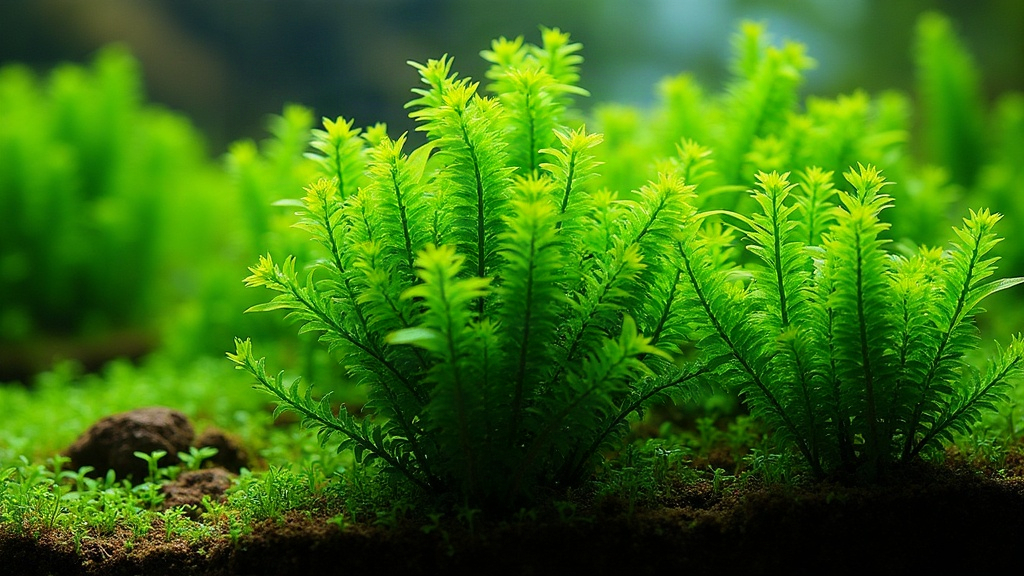
Rotala Macrandra is one of those stem plants that gives you everything and nothing at the same time. Get it right, and you’ve got a glowing pink-to-red centerpiece that makes the whole tank pop. Get it wrong, and you’re staring at a tangle of brittle, half-rotted stalks with a sad tuft of leaves up top. The plant’s dense growth habit is exactly what makes it gorgeous, and exactly what makes sloppy pruning punish you so fast. This guide walks through how beginners and seasoned aquascapers actually differ in their approach, so you can grow a thick, healthy Rotala colony without losing the base to rot.
Why Rotala Macrandra Rots From the Bottom
Before we get into technique, it’s worth understanding why this happens in the first place. It’s rarely just one cause.
- Light starvation. As stems shoot up and thicken out, the lower leaves get shaded and eventually die back, that’s normal. The problem is when that dead leaf matter sits in low-flow spots and starts feeding bacteria.
- Poor flow near the substrate. Water that barely moves around the base traps waste and starves that zone of oxygen. Rot loves stagnant corners.
- Over-crowding too early. Cram stems together before they’ve established, and neither light nor current ever reaches the bottom third.
- Nutrient imbalance. This plant eats through both roots and water column, and it’s a hungry one. Skimp on nitrogen or potassium and the lower stem tissue weakens, basically rolling out the red carpet for rot.
A real pruning strategy has to deal with all four of these. Just lopping the top off isn’t a strategy, it’s a band-aid.
The Beginner Approach: Topping and Replanting
Most people start with the obvious method: topping.
- Cut the stem about two-thirds of the way up from the substrate, just above a leaf node.
- Push the cut top back into the substrate nearby.
- Toss (or compost) the bare lower stub once it’s clear it won’t regrow.
Why it works:
- Dead simple. A pair of scissors or tweezers and you’re done.
- Multiplies your stem count fast, which is great in the early weeks.
- Forces new side shoots at the node, giving you that first hint of bushiness.
Where it falls apart:
- Keep replanting tops in the exact same spot without clearing the old bare stems, and pretty soon your tank is full of dying stalks quietly rotting at the base. This is probably the single most common beginner mistake.
- A lot of beginners also wait too long between prunes, so the plant shoots up leggy and bare, with only a crown of healthy growth way up top.
Beginner tip: Don’t wait for stems to hit the surface. Prune every 7 to 10 days instead. Shorter, more frequent cuts keep things compact and stop shading from taking hold at the base.
The Advanced Approach: Layered Pruning and Base Management
Experienced growers don’t think of pruning as a haircut you do once a month. It’s more like ongoing architecture, something you’re constantly adjusting.
1. Staggered Height Cutting
Instead of chopping an entire group of stems down to the same level, advanced aquascapers vary the cut heights, some stems shorter, some left a little taller. The result is a natural, rounded bush rather than a flat green wall, and light actually gets down into the middle layers, not just the top.
2. Node-Targeted Pruning
Rather than cutting at whatever height looks convenient, experienced hobbyists look for a healthy node with a visible lateral shoot bud and cut just above it. That one small choice triggers branching exactly where you want it, giving you 2 to 3 new stems from a single cut instead of one scraggly replacement shoot.
3. Proactive Base Thinning
Every 2 to 3 weeks, advanced growers pull out the oldest, barest lower stems, even the ones that are technically still alive. They don’t wait for rot to show up first. This is really the core difference between beginner and advanced technique: pulling stems out before they become a problem, not after.
4. Flow Redirection
A small powerhead aimed low, or just tilting the spray bar slightly, creates gentle current right at substrate level. That current alone keeps detritus from piling up around the base, which cuts rot risk more than people expect.
5. Root Tab Supplementation
Bushy Rotala Macrandra is a hungry plant, period. Advanced aquascapists push root tabs in near the base every 4 to 6 weeks, specifically to toughen up the lower stem tissue, not just as a general feeding routine.
A Simple Maintenance Schedule
- Weekly: Light trim on top growth, just enough to hold the shape and keep shading in check.
- Every 2 weeks: Check the bottom third of every stem for yellowing or soft spots. If you find any, pull that stem immediately, don’t wait.
- Every 4-6 weeks: Replant fresh tops, clear out the old bare stems, and drop in root tabs around the new plantings.
Common Mistakes to Avoid
- Leaving cut lower stems buried in the substrate “just in case.” They almost never recover, and they almost always rot.
- Jamming fresh cut tops into the same patch of substrate over and over.
- Ignoring the dead-flow pockets behind hardscape where half your Rotala happens to be planted.
Conclusion
The gap between beginner and advanced pruning really comes down to timing, and intent. Beginners react once the plant’s gotten too tall, topping stems after the fact, which works fine short-term but leaves rotting bases hiding underneath. Advanced growers get ahead of it: targeting nodes, staggering cut heights, pulling old growth before it ever starts to decay, and dialing in flow and nutrition right at the substrate. Stick with these layered habits and you’ll end up with the thick, glowing red bush every aquascaper chases, minus the mush underneath.