Why Hygrophila Difformis Leaves Turn Deeply Serrated After LED Upgrade
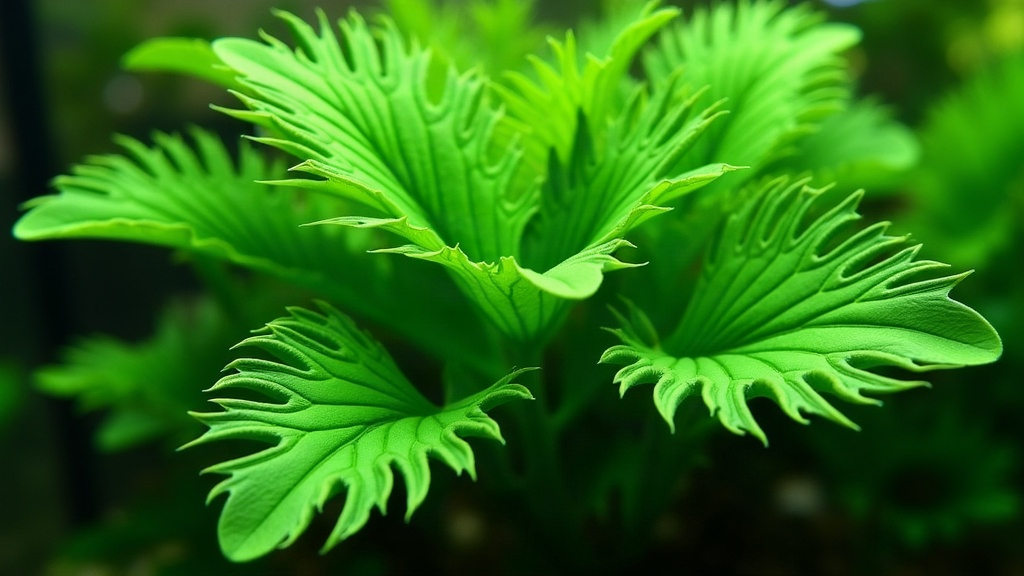
Noticed your Hygrophila difformis throwing out thin, lacy, fern-looking leaves instead of the broad, rounded ones you’re used to, right after you bumped up your lighting? Relax. You haven’t hurt the plant. What you’re seeing is heterophylly, a well-known response, and honestly it’s a good sign your new light setup is doing exactly what it should.
What’s Really Happening to the Leaves
This is actually why Hygrophila difformis has such a cult following among aquascapers: the same plant can look like two completely different species depending on how you grow it. The trick is called heterophylly, meaning one genetic plant producing wildly different leaf shapes based on what’s happening around it.
- Broad, less-divided leaves tend to show up under weaker light, lower CO2, or when the plant was grown emersed (out of water) at the nursery, which is how most store-bought bunches start life.
- Deeply serrated, narrow, feathery leaves show up once you move into high light, solid CO2 and nutrient supply, and fully submersed conditions.
Swap your old fluorescent tube or a tired LED for a stronger, full-spectrum fixture and you’ve just raised the PAR hitting the plant. Its response? New leaves come in more divided, more serrated, which boosts the edge-to-area ratio of the leaf. More edge means better gas exchange and more efficient light capture per square millimeter of tissue. It’s an adaptive move, basically the plant retooling itself for brighter conditions.
Why This Is Normal, Not a Problem
A lot of hobbyists see those jagged new leaves and immediately jump to:
- Nutrient deficiency
- Pest damage
- Disease or algae stress
But this particular shape shift is actually one of the cleanest, most reassuring signals you can get in a planted tank. Only the new growth changes. Your existing broad leaves aren’t going to morph into fern-shapes retroactively, they’ll just stay as they are. Give it 1 to 3 weeks after the lighting change and you’ll start seeing the new shape emerge right from the growth tip, as fresh nodes form under the new light.
Factors That Influence the Degree of Serration
Light isn’t the only variable here. A few things combine to determine just how dramatic the shape change gets.
1. Light Intensity and Spectrum
Push PAR up into the 100-200+ µmol/m²/s range at substrate level and you’ll see maximum division in the leaves. But if your “upgrade” was really just swapping a basic hood light for a mid-tier LED, don’t be surprised if the serration is only partial.
2. CO2 Supplementation
Add pressurized or liquid CO2 and the effect gets amplified fast. Here’s the catch though: high light without enough CO2 to match it tends to stress the plant instead, causing melting or algae problems rather than clean, well-divided leaves.
3. Nutrient Availability
Nitrogen and potassium drive leaf size and overall vigor, not just shape. A plant that’s nutrient-starved might still serrate, but the new leaves will come in pale and stunted rather than lush.
4. Photoperiod
Run the lights longer at higher intensity and the plant simply has more daily energy to put toward new leaf production, so the transition happens quicker.
How to Support the Plant Through the Transition
- Keep CO2 and nutrients stable. If you cranked up the light, now’s the time to add or increase CO2 too, otherwise you’re inviting algae and stunted growth.
- Go easy on trimming. Let the plant settle into its new rhythm first. Heavy pruning right after a lighting change just piles on more stress.
- Expect some die-back on old leaves. A bit of melting on the original broad leaves is normal, the plant is shifting energy toward its new submersed-form growth. Just pull out decaying leaves quickly so they don’t foul the water.
- Dose liquid fertilizer if your tank isn’t heavily planted or stocked, since rapid new growth burns through nutrients fast.
- Keep an eye on algae. Cranking up light without matching CO2 and nutrients is probably the single most common trigger for green or black beard algae in tanks growing Hygrophila difformis.
When to Be Concerned
The leaf shape change on its own is nothing to worry about. What you do want to watch for are these warning signs showing up alongside it:
- Yellowing or translucent new leaves (could be nitrogen or iron deficiency)
- Holes or pinholes in the leaves (points to potassium deficiency)
- Black, slimy stems (usually bacterial rot from poor flow or rotting debris)
- Stunted, curled new growth (think calcium or boron issues, or CO2 swinging up and down)
If the only thing changing is leaf shape, and the growth tips stay green, firm, and actively pushing out new leaves, there’s nothing you need to do.
Conclusion
Broad leaves turning into deeply serrated, fern-like ones after a lighting upgrade? That’s heterophylly doing exactly what it’s supposed to do, the plant reshaping itself to make better use of the extra light. Rather than something to fix, treat it as confirmation that your upgrade worked. Just keep CO2 and nutrients climbing alongside that new light intensity, so the plant can finish the transformation without stalling out into algae trouble or nutrient deficiency along the way.