Transitioning Tissue-Cultured Cryptocoryne Flamingo Without Melt
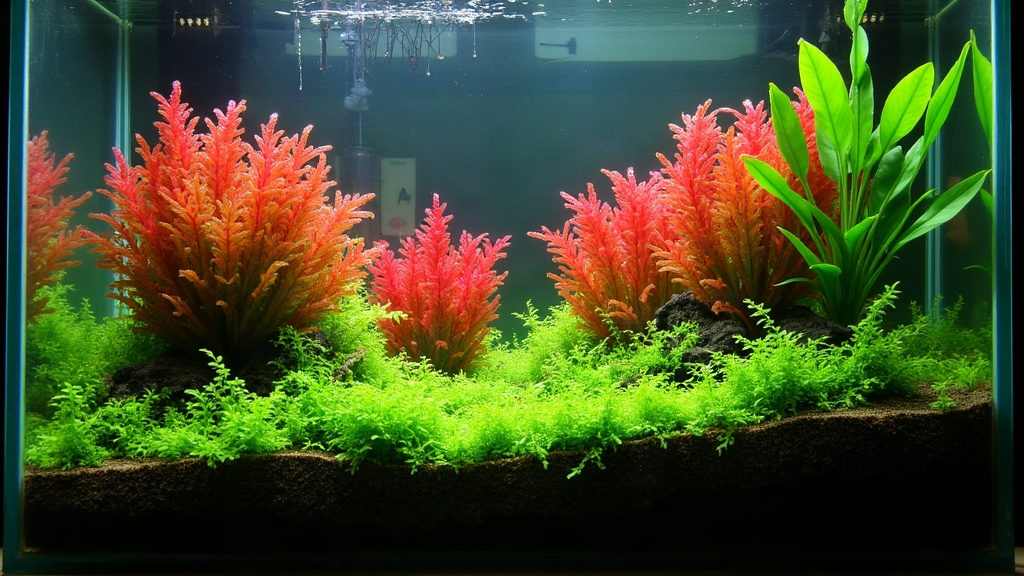
Tissue-cultured Cryptocoryne Flamingo might be the single most eye-catching plant you can drop into a tank right now. Those pink-and-white variegated leaves practically beg to be the centerpiece. The problem is the gap between that sterile little agar cup and your actual tank water. That transition is the single trickiest moment in this plant’s life. Mess it up and you’ll watch almost every leaf turn to mush in a matter of days. Get it right, though, and melt stays minimal, with fresh, tank-adapted growth pushing through in two or three weeks. Here’s the process, step by step.
Why Tissue-Cultured Crypts Melt So Easily
Tissue culture plants spend their entire early life in a humidity-controlled, sterile in-vitro box. No water chemistry, no bacteria, no real light intensity to speak of. The leaves that form inside that cup are, physiologically, almost terrestrial: thin cuticles, zero biofilm resistance, and stomata built for constant humidity rather than full submersion.
Drop those leaves straight into tank water and here’s what hits them all at once:
- Osmotic shock from dissolved minerals and CO2 levels they’ve never encountered
- Bacteria and algae exposure they have no defenses against
- Light levels that can be ten times brighter than inside the cup
- A root system that isn’t remotely ready to pull nutrients from substrate
Cryptocoryne species are already notorious for “crypt melt” whenever conditions shift. Flamingo, bred for its color rather than toughness, takes that sensitivity up another notch.
Step-by-Step Acclimation Method
1. Don’t Rinse Immediately in Tank Water
Pull the plantlets out of the agar gel using lukewarm water, never cold, in a separate bowl set aside just for this. Cold water shocks the tissue almost instantly. Rinse off every trace of agar residue you can find; even a small leftover smear will rot and cloud up your tank within a day or two.
2. Use a Quarantine/Acclimation Container First
Resist the urge to plant directly into your display tank. Set the plantlets up in a small holding container instead, with:
- Tank water cut 50/50 with something closer to the original tissue culture humidity (a covered plastic cup with a shallow puddle of water does the job fine)
- Low to moderate, indirect light only
- No fertilizer dosing for the first 5-7 days
Think of it as a greenhouse phase rather than a cold plunge.
3. Gradually Increase Water Exposure
Across the next 7-10 days, raise the water level bit by bit and cut back on the humidity dome. This gives the new leaves time to grow a cuticle that’s actually built for being underwater, before you commit to full immersion.
4. Plant With Minimal Root Disturbance
Once it’s time to put the plant in substrate:
- Trim only leaves that are clearly dying or gone translucent. Don’t strip the plant down to bare rhizome just because it looks rough.
- Keep rhizomes shallow, roots barely tucked in.
- Leave it alone for at least 3 weeks. No repositioning, no “just checking.”
5. Stabilize Tank Parameters Before and After Planting
Crypts have a reputation for a reason. They hate:
- Sudden pH swings
- CO2 fluctuations (oddly enough, injected CO2 tanks tend to be more stable for crypts than non-CO2 tanks where dissolved gas levels drift all over the place)
- Water changes right after planting
Skip large water changes for the first two weeks. Keep the flow gentle too, so the new leaves aren’t getting buffeted around while they’re still adjusting.
What to Expect: Normal vs. Problematic Melt
Normal, expected melt:
- The older, thin tissue-culture leaves go translucent and die back within 1-2 weeks. That’s par for the course.
- New leaves come in smaller at first, but thicker and noticeably more saturated in color.
Problematic melt (something’s actually wrong):
- The rhizome itself goes soft, brown, or mushy
- Four weeks pass with no sign of new growth
- The whole plant collapses within 48 hours of planting
As long as the rhizome stays firm, odds are good the plant pulls through. Cryptocoryne species keep energy reserves stored in the rhizome specifically for stress like this.
Lighting and Fertilization Tips
- Dial the light down to 30-40% of your usual intensity for the first couple of weeks
- Hold off on liquid carbon products at first. Flamingo cultivars in particular can react badly to glutaraldehyde-based additives while they’re transitioning.
- Once you see new submerged leaves forming, go back to your normal root tabs or substrate fertilization routine
Conclusion
You don’t need to accept total leaf melt as the price of growing tissue-cultured Cryptocoryne Flamingo. Treat the move as a slow acclimation instead of a straight transplant: rinse carefully, step the humidity down gradually, keep root disturbance to a minimum, and hold your tank parameters steady once it’s in. Some melt of the original leaves is going to happen regardless, and that’s fine, that’s normal. What matters is the rhizome. As long as it stays firm, recovery is already underway. Give it a month and some patience, and you’ll have a vividly colored Flamingo crypt thriving in your tank.