Superglue Gel vs Cotton Thread for Weeping Moss on Wood
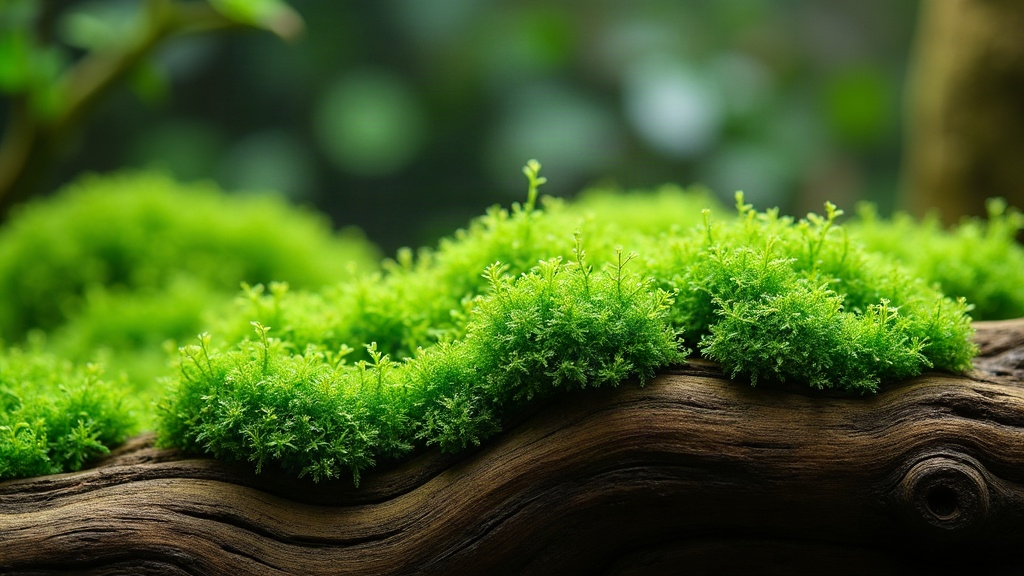
Attaching Weeping Moss to Vertical Spider Wood: Glue vs. Thread
Getting weeping moss (Vesicularia ferriei) to stay put on a vertical branch of spider wood is one of those jobs that looks simple until you actually try it. The problem is the moss itself: unlike Java moss, which hugs whatever it touches, weeping moss grows downward in long drooping strands. That habit fights gravity the moment you’re working on anything steeper than a flat rock. Two methods dominate the hobby, cyanoacrylate superglue gel and plain cotton thread, and they behave in almost opposite ways once the wood isn’t lying flat. Below is a breakdown of when each one makes sense, how to apply it without wasting half your moss, and the mistakes that send people back to the pet store for a second batch.
Why Vertical Branches Are Harder Than Flat Surfaces
Lay a moss clump on a flat stone or a horizontal piece of driftwood and gravity does most of the work for you, pressing it right against the surface. Take away that flat plane and things fall apart fast, sometimes literally. On a vertical spider wood branch, the moss wants to sag and peel off the bark the instant a filter outlet or a curious tetra brushes past it. That single fact is why the glue-versus-thread debate matters so much more here than it would on a standard flat carpet-moss project.
Superglue Gel: Fast, Strong, But Less Forgiving
Aquarium-safe cyanoacrylate gel, the same stuff used to mount anubias and bucephalandra onto rock, is the default for anyone who wants results in a hurry.
Pros:
- Cures underwater in 10 to 20 seconds, so you can move branch to branch without standing around waiting.
- Bonds hard to the rough, porous bark that spider wood is known for.
- Disappears under new growth within a few weeks, leaving no visible residue.
- Great for small clumps or patching a bald spot on a piece that’s already established.
Cons:
- Almost impossible to reposition once it sets. Get the placement wrong and you’re cutting moss off and starting over.
- Lay it on too thick and you’ll smother the rhizoids, which slows down the moss’s own grip on the wood.
- Needs a surface that’s close to dry for the first few seconds to bond properly, which is a pain when the branch is already damp from misting.
Best technique: Pull the branch out of the water and blot it dry with a paper towel. Apply small dots of gel every 1 to 2 cm along the branch rather than a continuous bead, then press pea-sized moss tufts straight into the wet dots. Hold each one for about 15 seconds before putting the branch back under. Dots, not lines, because gaps let water and nutrients reach the rhizoids much faster than a solid strip of glue ever would.
Cotton Thread: Slower, But More Natural Growth
Wrapping thin, undyed cotton or black sewing thread around the branch is the old-school method, and honestly, plenty of experienced aquascapers still reach for it first when weeping moss is involved.
Pros:
- Lets the moss sit directly against the bark so rhizoids grip the wood itself instead of a layer of cured glue.
- Tension is adjustable on the fly, so clumps can be nudged or re-angled before you tie off.
- The thread itself becomes irrelevant over time, rotting away or getting trimmed off once the moss has anchored, typically within 4 to 8 weeks.
- Wraps continuously, which makes it much better suited to covering a long section of branch evenly.
Cons:
- Takes real time. Wrapping a full spider wood centerpiece can easily eat up 30 to 45 minutes of an evening.
- Smooth, glossy sections of wood can let the thread slide right off.
- You’ll be staring at visible thread for the first couple of weeks until growth fills in and hides it.
Best technique: Lay thin strands of moss lengthwise along the branch, pointed in the direction you want the trailing growth to eventually fall, then spiral the thread around them with moderate tension. Tight enough that nothing slips, loose enough that you’re not crushing stems. Finish with a simple knot and tuck the tail end under one of the wraps so it doesn’t work loose.
Which Should You Choose?
- Reach for superglue gel when you need a quick fix, a bald patch filled in, or results before tomorrow’s photo shoot or a contest deadline that isn’t moving.
- Reach for cotton thread when you’re building out a large, new installation on a feature branch and want that classic trailing “veil” effect that weeping moss is prized for.
- Or do both: a lot of aquascapers thread the bulk of the moss onto the branch for that natural look, then add a few glue dots at the base of each clump as insurance against stronger filter flow knocking things loose.
Common Mistakes to Avoid
- Overdoing the glue. Too much traps moisture against the bark and the base of the clump starts to rot within days.
- Wrapping the thread so tight it crushes the stems and kills off the growth tips before they even get going.
- Attaching moss to wood that’s still bleeding tannins heavily. Soak the branch for 1 to 2 weeks first so the glue actually bonds and the thread doesn’t end up stained brown.
- Picking a low-flow spot for the branch. Weeping moss needs at least gentle current moving through it, otherwise detritus builds up inside that dense mat and you’ll be fighting algae within a month.
Conclusion
On a vertical spider wood branch, cotton thread tends to win out for long-term, natural-looking growth, mainly because it lets the rhizoids bond straight to the bark instead of to a layer of cured glue. Superglue gel still earns its place, though, for quick repairs and small patches where speed matters more than that fully natural look. A lot of the best-looking tanks actually split the difference: thread for the main coverage, a few dots of glue reinforcing the base of each clump, giving you the trailing veil look of properly grown weeping moss along with enough holding power to survive a filter change or a gravel vac without losing half your work.