DIY Mesh Lids vs Clip-on Aquarium Fans for Axolotl Tank Cooling
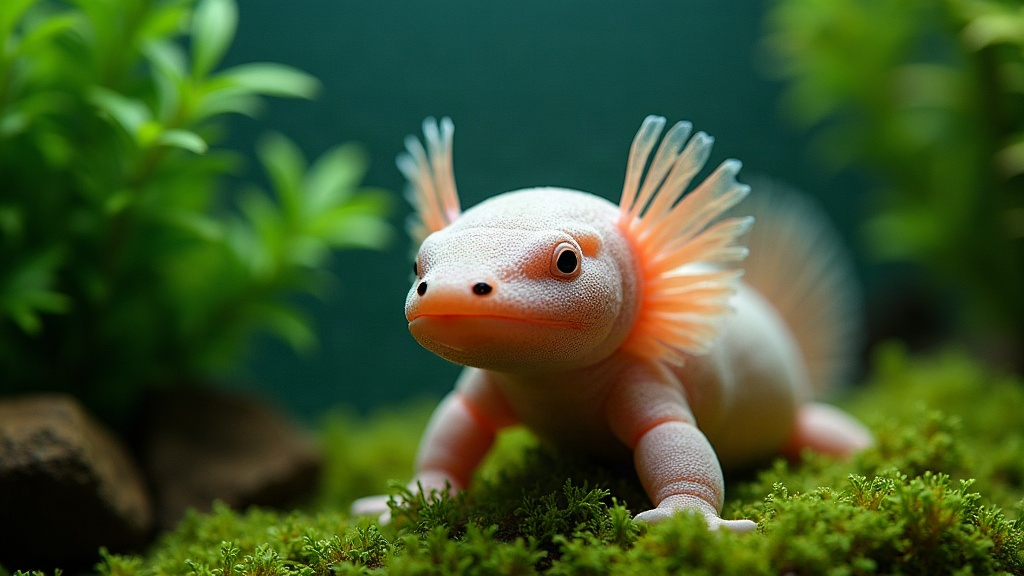
Keeping Axolotls Cool: Mesh Lids vs. Clip-On Fans
When summer heat pushes your axolotl’s water above the safe 68°F (20°C) mark, two budget options keep popping up on every forum thread: DIY mesh lids that boost evaporative cooling, and clip-on aquarium fans that blow air across the surface. Both can shave 2-5°F off your tank without the cost of a chiller, but they work on different principles, suit different setups, and come with tradeoffs worth knowing before you build anything.
Why Axolotls Need Cool Water
Axolotls come from high-altitude lakes near Mexico City, where the water almost never climbs above 68°F. Push a tank past 74°F and you’ll start seeing the signs: stress, refusal to eat, higher susceptibility to bacterial infections and fungal outbreaks. Cross 78°F and things get genuinely dangerous, prolonged exposure at that point can kill. If you don’t have AC, July and August will routinely shove your tank into that danger zone. This isn’t a nice-to-have upgrade. It’s seasonal maintenance.
How Clip-on Aquarium Fans Work
A clip-on fan (a small USB desk fan works fine, or you can buy a dedicated aquarium cooling fan) attaches to the tank rim and blows air across the open water. That airflow speeds up evaporation, and evaporation pulls heat out of the water. Same mechanism as sweating, just happening in your living room instead of on your skin.
Pros:
- Can drop water temperature 3-5°F within a few hours
- Cheap: USB fans run $8-15, dedicated aquarium fans $15-30
- Angle and speed are easy to adjust
- Zero construction needed
Cons:
- Water evaporates faster, so you’ll be topping off more often
- Raises room humidity if you run it for days at a time
- Needs an open section of lid, not great if you’re worried about jumpers (rare for axolotls, but worth a check if other pets share the room)
- Cheap fans can buzz loudly enough to be annoying in a bedroom
Best for: tanks with an open or partly open top, heatwave emergencies where you need a fast drop, and keepers who’d rather clip something on than build it.
How DIY Mesh Lids Help
A mesh lid swaps your solid glass or acrylic cover for breathable fabric or plastic mesh, often just a cut-up window screen or some craft mesh from a hardware store. It doesn’t actively cool anything. It just lets heat and moisture escape naturally across the whole surface, instead of concentrating evaporation in one fan-blown spot.
How to build one:
- Measure your tank’s top opening.
- Cut fiberglass window screen or plastic canvas mesh to size, leaving a small overhang.
- Frame the edges with PVC strips or foam board for rigidity (optional, but it holds up better).
- Secure with clips or a snug friction fit. Check for gaps, not because axolotls climb (they don’t, really), but because other household pets might get curious.
Pros:
- Passive: no electricity, no noise
- Covers the entire surface, so evaporation happens evenly
- Practically free if you’ve got spare screen material lying around
- Better gas exchange, which helps water quality too
Cons:
- Modest cooling, only 1-3°F compared to a fan’s punch
- Doesn’t do much in already-humid climates where evaporation slows down anyway
- You’ll need basic tools and a bit of patience to build it
Best for: long-term, low-maintenance cooling in moderately warm climates, or as a backup alongside frozen water bottles or room AC.
Which One Should You Choose?
| Factor | Mesh Lid | Clip-on Fan |
|---|---|---|
| Cooling power | Mild (1-3°F) | Strong (3-5°F) |
| Cost | $0-10 | $8-30 |
| Maintenance | Low | Moderate (refill water) |
| Noise | None | Low-moderate |
| Setup effort | DIY build required | Plug and clip |
A lot of experienced keepers just run both. Mesh lid for constant passive airflow, fan aimed at the open section during the worst afternoon heat. You get a steady baseline plus a boost exactly when you need it, say, during a three-day heatwave when the thermometer won’t budge.
Extra Tips for Hot Weather
- Check the temperature daily with a proper aquarium thermometer, not one of those sticker strips that drift by a few degrees.
- Freeze water bottles and float them in a mesh bag inside the tank as backup cooling.
- Move the tank away from windows and direct sunlight if you can.
- Cut back on feeding during heat waves. Slower metabolism means less food gets used.
Final Thoughts
Neither method replaces a chiller if you’re dealing with serious, sustained heat. But both are cheap, effective first lines of defense. Need a fast, strong drop during a heatwave? Go with the fan. Want something quiet that just runs in the background all summer? Build the mesh lid. Most keepers end up happiest running both at once, getting steady cooling day to day with extra backup when the thermometer spikes.