Seachem Purigen vs Activated Carbon After Epistylis Treatment
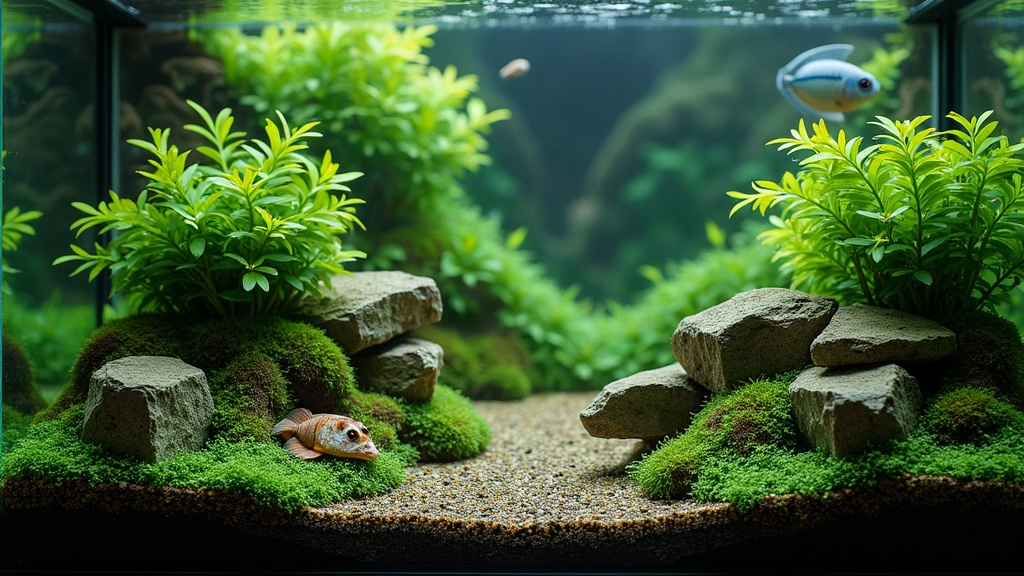
If you’ve just wrapped up a round of medication for a nasty Epistylis outbreak, what you do next matters almost as much as the treatment itself. Between Seachem Purigen and activated carbon, Purigen is usually the faster, more thorough pick for stripping dissolved medication out of the water column, while carbon works fine as a secondary polish or a budget backup. They’re not interchangeable, though, and picking the wrong one (or using it wrong) can drag out fish stress or even wreck a future treatment if left in the tank too long.
Why Medication Removal Speed Matters After Epistylis
Epistylis is a stalked ciliate protozoan, the kind that leaves white, cottony or saddle-shaped lesions on a fish, usually showing up after stress, poor water quality, or an open wound. The treatments strong enough to knock out a severe case (formalin, potassium permanganate, copper-based meds, antiparasitics like metronidazole) are rough on gill tissue and just as rough on your beneficial bacteria. Once the infestation is under control, any medication left floating around will:
- Keep stressing an immune system that’s already run down
- Suppress biofilter bacteria, which can trigger an ammonia spike out of nowhere
- Clash with follow-up treatments if you need to re-dose later
- Slow down recovery of fins, gills, and that all-important slime coat
Get the water clean fast and thoroughly, and your fish can actually heal instead of limping along under a lingering chemical load.
How Purigen Works
Purigen isn’t carbon, it’s a synthetic adsorbent resin, and it pulls organic waste out at a molecular level, both soluble and insoluble. That includes a lot of dissolved medications, dyes like methylene blue, and tannins. A few things worth knowing:
- Speed: in an actively circulating filter, Purigen typically clears discoloration and medication residue within 12 to 24 hours.
- Capacity: per volume, it holds far more than carbon does, so a small pinch does the work of a much bigger scoop.
- Regenerable: recharge it with a chlorine bleach solution and reuse it indefinitely, which pays off if you’re treating disease more than once a year.
- Color-change indicator: it shifts from white/tan to brown/black as it saturates, so you get a built-in visual cue for when to swap it out.
The catch: Purigen can be almost too good at its job. Drop it in while medication is still needed and it’ll strip the drug out before it’s finished working. Add it only after the treatment course is officially over.
How Activated Carbon Works
Activated carbon pulls organics, odors, discoloration, and plenty of medications out of the water through physical adsorption on its porous surface. It’s the old reliable for “polishing” the tank after treatment.
- Moderate speed: carbon usually takes 24 to 48 hours to meaningfully clear medication, noticeably slower than Purigen in most side-by-side comparisons.
- Lower capacity: it saturates quicker, especially in heavily medicated tanks or ones with a high bioload.
- Single-use: you can’t realistically recharge it at home, so replace it rather than try to regenerate it.
- Risk of leaching: cheap carbon that isn’t rinsed well can leach phosphates or dust straight back into the water.
Carbon’s still a decent, cheap option if Purigen isn’t already on your shelf, but it’s not the tool you want for urgent cleanup right after a severe Epistylis flare-up.
Head-to-Head: Which to Use After Epistylis Treatment
| Factor | Purigen | Activated Carbon |
|---|---|---|
| Removal speed | Faster (12–24h) | Slower (24–48h) |
| Capacity | High | Moderate |
| Reusable | Yes (bleach recharge) | No |
| Cost over time | Lower (reusable) | Higher (replace often) |
| Best for | Fast, complete medication pull | Light polishing, odor/tannin control |
Recommendation: for a severe Epistylis case treated with formalin, copper, or metronidazole, drop Purigen into a mesh bag inside your filter the moment the treatment course ends. If you want extra insurance, add carbon afterward, once Purigen has already done the heavy lifting. Don’t run both at the same time with carbon leading the charge; carbon alone just isn’t fast enough for fish that are still fragile and recovering.
Practical Steps for Cleanup
- Double-check the treatment course is actually finished (the product instructions will list the duration, don’t guess).
- Pull out any dosing-related filter bypass or the carbon you removed before treatment started.
- Add a fresh Purigen bag sized to your tank, following Seachem’s dosing chart (roughly 100 mL per 400–480 L).
- Let it run for 24 hours, then do a 25 to 30% water change to physically flush out residual toxins and dead ciliates.
- Test ammonia and nitrite daily for about a week. Harsh meds can knock your biofilter back further than you’d expect.
- Bring carbon back in only if odor, tannins, or discoloration are still hanging around after the Purigen pass.
Final Take
When speed and thoroughness are what count most, which is exactly the case right after a severe Epistylis treatment, Seachem Purigen beats activated carbon on both removal rate and capacity. Carbon still earns its keep as a cheap, useful second step. Run Purigen first for the fast cleanup, follow it with a water change, and keep a close eye on your biofilter while your fish recover.