Spawning Celestial Pearl Danios in Planted Nano Tanks
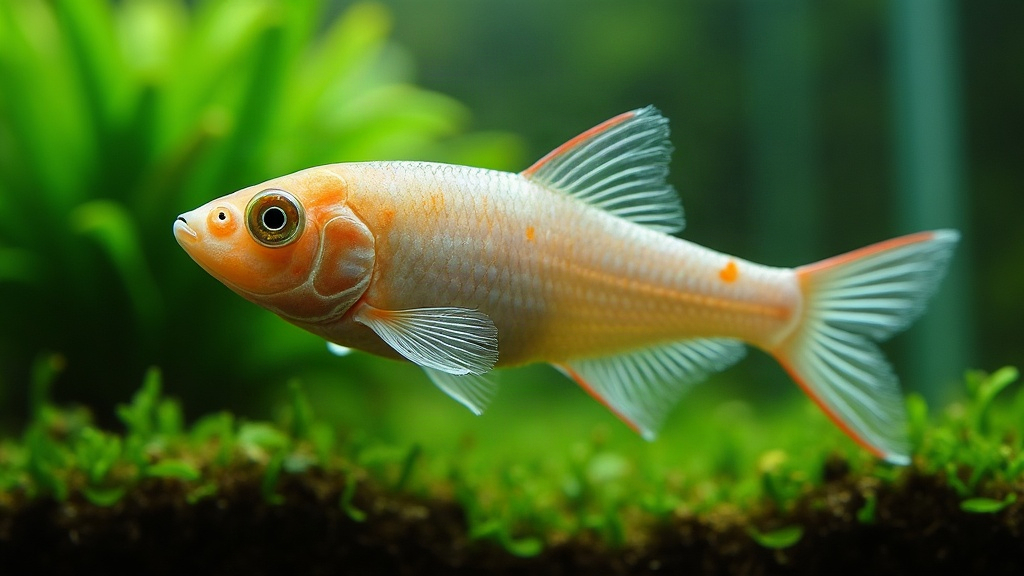
Celestial Pearl Danios (Danio margaritatus), better known among hobbyists as Galaxy Rasboras, are tiny, jewel-toned fish that seem almost made for the nano tank scene. They’re famously skittish, sure, but getting them to spawn in a heavily planted nano setup isn’t nearly as tricky as their shy reputation suggests. Get the environment right (think dense plant cover like Bucephalandra in low-tech tanks, spotless water, and a diet packed with protein) and these fish will do the rest on their own instinct.
Why Choose a Heavily Planted Nano Tank?
CPDs come from shallow, weed-choked ponds and rice paddies in Myanmar, so a jungle-like nano tank isn’t just aesthetic, it’s a direct replica of home turf. That setup pays off in two big ways:
- Security and Stress Reduction: These fish are nervous by nature. Drop them into a bare tank and they’ll spend most of the day tucked in a corner, too on-edge to think about breeding. Give them a thick tangle of plants, though, and something shifts: they start swimming out in the open, sparring, flaring, courting.
- Natural Microfauna: A tank that’s been planted and running for a few months quietly builds up its own population of infusoria and biofilm. That matters more than people realize, because when eggs hatch, the fry are so small they literally can’t eat anything else at first.
Setting Up the Perfect Breeding Environment
You don’t need anything fancy here. A 5 to 10 gallon tank works fine, as long as it’s built with egg-scattering species in mind.
Ideal Water Parameters
CPDs will tolerate a fair range of conditions, but breeding responds best to consistency, not perfection. Aim for:
- Temperature: 71°F to 78°F (22°C to 26°C). Running it a touch cooler can actually nudge them toward breeding, echoing seasonal shifts in the wild.
- pH Level: 6.5 to 7.5.
- Filtration: A sponge filter is really the only sensible choice here. It handles biological filtration and keeps oxygen levels up, but without the pull of a power filter that would suck eggs (or fry) straight into the intake.
Best Plants for Egg Scattering
CPDs aren’t nest builders and they don’t guard their brood. They’re scatterers, dropping loose, non-sticky eggs wherever there’s cover. A few plants earn their keep here:
- Java Moss and Christmas Moss: Dense, tangled, nearly impossible for an adult fish to poke through. This is your best egg trap, hands down.
- Subwassertang: Bushy and forgiving, another solid hiding spot for eggs.
- Pearl Weed or Guppy Grass: Fast growers that form vertical thickets, giving the fish something to dart in and out of during courtship.
Conditioning the Breeders
A fish fed nothing but dry flakes isn’t going to spawn, plain and simple. Conditioning means switching to rich, live or frozen foods for one to two weeks before you expect anything to happen.
Feed twice daily: live Daphnia, freshly hatched baby brine shrimp, microworms, that kind of thing. Within a week or so you’ll notice the change. Females plump up around the belly, visibly swollen with eggs, and their anal spot darkens. Males, meanwhile, turn up the color, deep blues across the body and fins that flash red-orange. Keep the ratio at roughly one male to two or three females; too many males in a small space and you’ll just get constant harassment instead of courtship.
Recognizing Spawning Behavior
Most spawning happens right after the lights come on in the morning. Males get animated fast, flaring at the females, circling rivals in quick, tight sparring bouts that look almost choreographed.
Once a female signals she’s ready, a male will steer her down into a thick patch of moss near the substrate. They line up side by side, quiver for a couple of seconds, and release a small clutch, usually somewhere between 10 and 30 eggs, along with milt. The eggs drop straight into the moss and vanish from view almost instantly.
Protecting the Eggs and Fry
Here’s the catch with CPDs: they’ll eat their own eggs and fry without a second thought. Left alone in a bare tank, the adults will clean out an entire spawn in a day. Two approaches actually work:
- The Jungle Method: Pack the tank with enormous clumps of moss and some fry will slip through purely by hiding well enough, long enough. It costs you nothing in effort, but don’t expect a big yield.
- The Removal Method (Recommended): Set a dense clump of Java moss over a shallow glass dish inside the tank. Every three or four days, lift the dish and moss out together and move it into a separate, already-cycled grow-out tank. Or, simpler still, pull the adults out after a week of spawning and let the nano tank sit undisturbed.
Fry are genuinely tiny, easy to overlook if you’re not watching closely. They’ll live off their yolk sac for the first 3 to 4 days, then need infusoria or a liquid fry food built for fish this small. Give it another week or two and they’ll be ready to move onto baby brine shrimp.
Conclusion
There’s something quietly satisfying about watching a tank full of these little sparkling fish raise a new generation right in front of you. Get the live food dialed in, keep the water clean and stable, and set up that dense plant cover, and you’re most of the way there. Patience helps. So does moss, honestly, a lot of it. Give it time and you’ll spot fry threading their way through the leaves before you know it.