Does Bucephalandra Need CO2? Low-Tech Care Guide
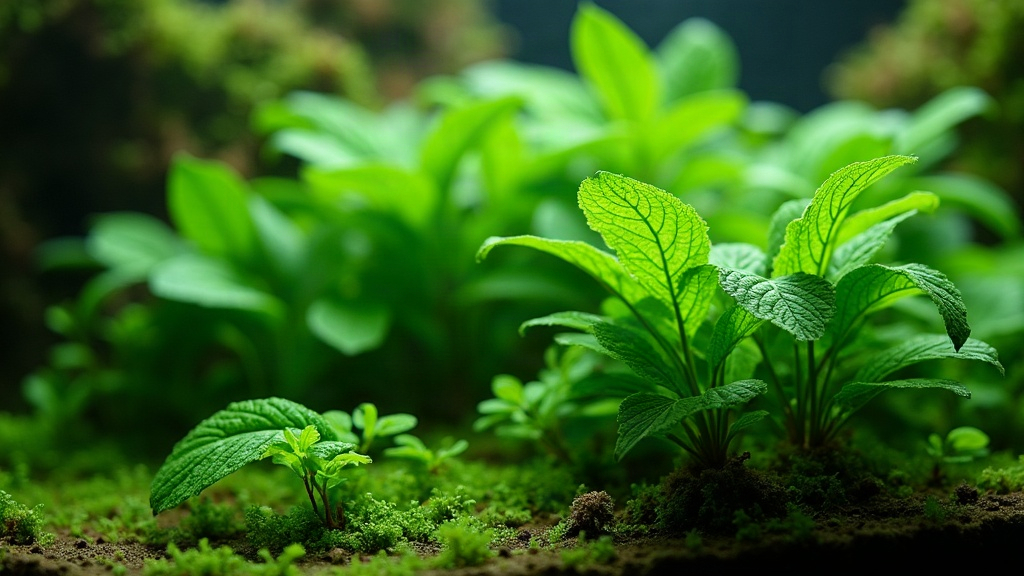
Bucephalandra, or “Buce” as most hobbyists call it, is a striking epiphyte that hails from the fast-flowing streams of Borneo. If you want iridescent blues, deep purples, and rich greens in your tank without wrestling with pressurized CO2 systems, this is the plant for you. This care guide walks through exactly how to grow it in a low-tech setup, no gas cylinders required, and proves that a jaw-dropping aquascape doesn’t need a high-tech budget behind it.
Why Choose Bucephalandra for Low-Tech Tanks?
Ask any experienced low-tech grower and Buce will come up within the first five minutes. Here’s why it fits so well into simpler setups:
- Slow Growth Rate: Buce crawls along at its own pace, which means it never demands the nutrient or carbon load that fast stem plants like Rotala or Ludwigia need. That sluggishness, oddly, is exactly what makes it forgiving in a non-CO2 tank.
- Low Light Tolerance: In the wild it grows under a thick jungle canopy, often in near-shade. It’s had millions of years to adapt to dim conditions, so your average tank light is plenty.
- No Substrate Required: Being an epiphyte, Buce pulls what it needs straight from the water column. No pricey aqua soil, no root tabs, no fuss.
Essential Bucephalandra Care Requirements
Buce is hardy, sure, but it rewards a stable environment far more than a wildly fluctuating one.
Lighting Guidelines
In a CO2-free tank, light needs to be dialed in carefully. Aim for low to medium intensity, running 6 to 8 hours a day, no more. Because Buce grows so slowly, blasting it with strong light it can’t use for equally strong photosynthesis is basically an open invitation for algae to move in and take over the leaves.
Ideal Water Parameters
It’s a flexible plant overall, but it does best in water that’s slightly acidic to neutral, with decent oxygen levels.
- Temperature: 70°F to 82°F (21°C to 28°C)
- pH Level: 6.0 to 7.5
- Water Flow: Don’t skimp here. In the wild these plants cling to rocks in rushing streams, so moderate to strong flow in your tank keeps detritus from settling on those broad leaves, and less detritus means less algae food sitting around.
Nutrients and Fertilization
No CO2 means a slower metabolism, so forget heavy daily dosing schedules. A good comprehensive liquid fertilizer once a week, right after your water change, is genuinely enough. Look for one with solid micronutrient content, especially iron, since that’s often what pulls out the deep reds and blues in the fancier Buce varieties.
How to Plant Bucephalandra Without Substrate
A Buce plant is made up of leaves, roots, and a thick horizontal stem known as the rhizome.
Crucial Rule: Never bury that rhizome in gravel, sand, or soil. Do it and it will rot, full stop, and the plant will die from there.
Instead, mount it on hardscape: driftwood, dragon stone, seiryu stone, whatever textured surface you’ve got. A couple of tried-and-true methods:
- Super Glue Gel: Grab 100% cyanoacrylate gel glue, dab a small amount on the hardscape, and hold the rhizome against it for about 10 seconds. Once cured it’s completely inert and safe for fish and shrimp.
- Cotton Thread or Fishing Line: Tie the plant gently to the rock or wood. Cotton thread dissolves on its own after a few weeks; fishing line sticks around permanently but is thin enough to disappear visually.
Overcoming Common Challenges in No-CO2 Setups
Buce is tough, but a couple of speed bumps show up fairly often in low-tech tanks.
Dealing with “Buce Melt”
Fresh from the store, Bucephalandra often drops leaves right after planting. Hobbyists call this “melting,” and it looks alarming the first time you see it. Most commercial Buce is farmed emersed (grown above water at the nursery), so once it’s submerged, it sheds those terrestrial leaves and starts building aquatic ones instead. Resist the urge to toss it in the trash. As long as the rhizome stays firm and green, fresh underwater leaves will typically show up within a few weeks.
Managing Algae
Black Beard Algae and Green Spot Algae both seem to have a particular fondness for slow-growing Buce leaves. A few ways to keep it in check:
- Cut back the photoperiod or dim the lights a notch.
- Stay on top of water changes, roughly 30-50% weekly.
- Bring in a clean-up crew. Amano shrimp, Otocinclus catfish, and Nerite snails will happily graze algae off the leaves for you.
Top Bucephalandra Varieties for Beginners
Building your first low-tech, CO2-free tank? These varieties are forgiving and easy to find:
- Bucephalandra ‘Wavy Green’: Grows faster than most Buce (which isn’t saying much, but still) and shows off bright green leaves with wavy, ruffled edges.
- Bucephalandra ‘Kedagang’: Longer, narrower leaves with reddish stems and small white speckles across the surface, a nice contrast plant.
- Bucephalandra ‘Brownie Ghost’: A favorite among collectors for its metallic blue and purple sheen, which shows up even under fairly modest lighting.
Conclusion
Growing Bucephalandra without CO2 turns out to be one of the more satisfying corners of this hobby. It teaches patience, honestly. You won’t get explosive daily growth here, but watching a new leaf slowly unfurl with that little iridescent shimmer feels like a genuine win. Keep the parameters steady, keep the light gentle, and mount that rhizome properly instead of burying it. Do those three things and your Buce will keep quietly thriving for years.