Why Thai Micro Crabs Climb Above the Water Line in New Ripariums
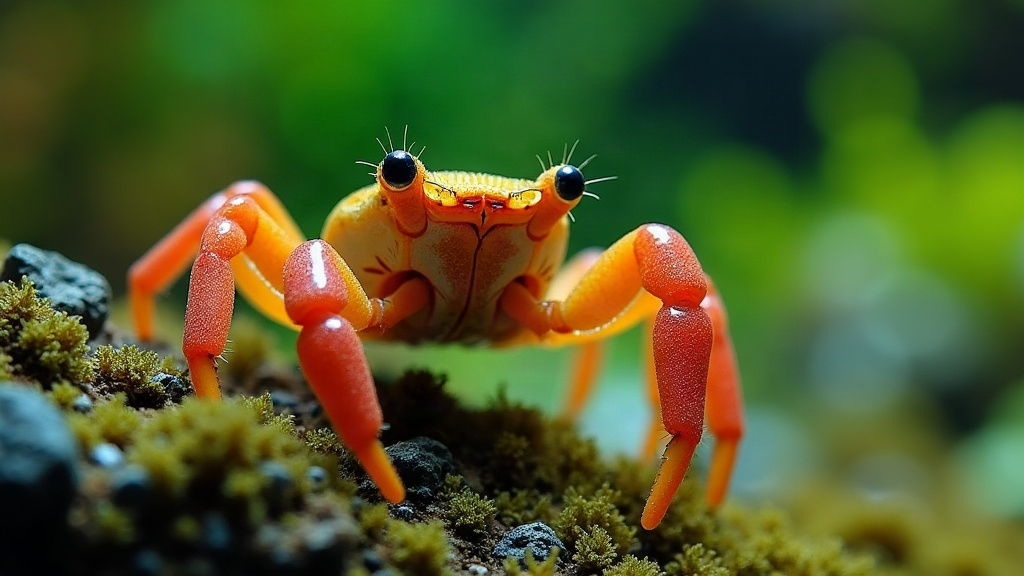
If you’ve just flooded a new riparium and watched your Thai micro crabs (Limnopilos naiyanetri) scramble straight up the glass, driftwood, or emergent plants, you’re not alone. And honestly, it’s rarely random. Climbing above the waterline right after setup is almost always a sign the crabs are reacting to unstable or poor water chemistry, insufficient dissolved oxygen, or a lack of proper acclimation, combined with their natural instinct to seek air and refuge when stressed.
Why This Happens: The Core Reasons
1. A Riparium Cycle Hasn’t Finished Yet
New setups, especially ripariums with fresh substrate, new driftwood, and untested filtration, almost never have an established nitrogen cycle running yet. Thai micro crabs are extremely sensitive to ammonia and nitrite spikes, more so than most fish you’d keep in the same tank. Even trace levels, say 0.25 ppm ammonia, can trigger agitation, and climbing is often one of the first visible symptoms you’ll notice.
- Test ammonia, nitrite, and nitrate before adding crabs.
- Ideally, cycle the tank fishless for 3-6 weeks first.
- Don’t trust “it looks clean.” Water that looks crystal clear can still be chemically hostile. Always test.
2. Low Dissolved Oxygen Near the Substrate
Thai micro crabs are almost fully aquatic but still breathe through modified gills that need well-oxygenated water to function. In a freshly flooded riparium, water movement is often minimal, especially near the bottom, where decomposing substrate or leftover organic debris quietly eats up oxygen. Crabs respond by climbing toward the surface, or straight past it, to find air-exposed, oxygen-rich zones.
- Add a gentle air stone or sponge filter with surface agitation.
- Avoid overly dense substrate layers that trap gas pockets underneath.
- Watch for other oxygen-stress signs too: lethargy, clustering right at the outflow.
3. Temperature or pH Shock During Acclimation
If crabs were drip-acclimated too quickly, or the riparium’s water parameters (pH, GH, temperature) differ a lot from their transport water, they may bolt upward purely as a stress response. Thai micro crabs prefer:
- Temperature: 72-78°F (22-26°C)
- pH: 6.5-7.5
- Soft to moderately hard water
A swing of even 2-3 pH points, or a 5°F jump in temperature, can send them climbing within minutes of being released into the tank.
4. Natural Behavior, Not Always a Problem
Worth saying clearly: some climbing is completely normal. Thai micro crabs are semi-terrestrial by nature and regularly perch on emergent wood, moss, or leaves above the waterline to molt, rest, or get away from aquatic competitors like shrimp. In a riparium built with proper land/transition zones, brief trips above the water are expected, not a sign of distress. The real difference comes down to duration and frequency.
Distress climbing looks like: constant, restless movement, refusal to return to water for hours at a time, clustering at the very top of the enclosure, or visible pressing against the lid.
Normal climbing looks like: short visits to an emergent perch, then a return to the submerged areas to feed and mingle with the rest of the colony.
How to Fix It
- Pause and test water. Check ammonia and nitrite immediately. This is the most common culprit, by far.
- Increase surface agitation. A small sponge filter or airstone adds oxygen without creating a strong current they’ll have to fight.
- Re-acclimate slowly if recently added. Use a drip line over 45-60 minutes for new arrivals rather than a quick dunk-and-go.
- Provide secure land access. Cork bark, moss mats, or emergent plant stems let them climb safely without needing to escape the enclosure entirely, which cuts down on panic-driven escape attempts.
- Cover gaps in the lid. These crabs are skilled climbers and can slip through surprisingly small openings once they’re stressed enough to try.
- Wait out the cycle. If parameters are the real issue, daily water changes of 10-15% during cycling will speed up recovery noticeably.
When to Worry
If crabs stay out of water for more than 12-24 hours, stop feeding, or start showing pale or dull coloration, treat it as an emergency: test the water right away and do a partial water change. Prolonged air exposure in a non-humid environment can lead to gill desiccation and death within a day or two, even though these crabs normally handle brief time out of water just fine.
Conclusion
Climbing above the waterline in a newly flooded riparium is usually the Thai micro crab’s way of flagging a problem with water quality, oxygen levels, or acclimation stress. It’s not a quirky personality trait, no matter how it might look from outside the tank. Test your parameters first, make sure there’s decent surface movement, and give your crabs a properly cycled tank before stocking it. Once conditions settle down, the difference is obvious: short, confident visits to an emergent perch instead of long, anxious attempts to get out.