Titanium Heaters vs Glass Submersibles for Cichlid Tanks
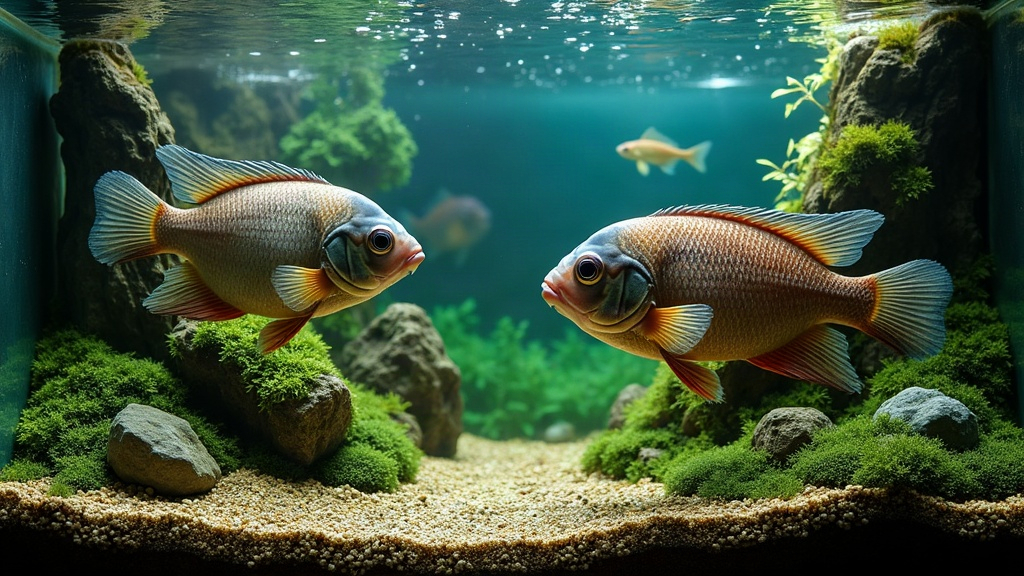
Titanium vs. Glass Heaters for Aggressive Cichlid Tanks
If you’re keeping large, aggressive cichlids like Oscars, Jaguar Cichlids, Green Terrors, or running a mixed Central American biotope, the titanium-vs-glass heater question isn’t really about preference. It’s about whether your equipment survives the next six months. Titanium wins in nearly every aggressive cichlid setup because it’s basically indestructible, though glass heaters still earn their keep in smaller, calmer tanks. Let’s get into the details.
Why Heater Choice Matters More With Cichlids
Aggressive cichlids dig, shove rocks around, and defend territory like their lives depend on it. They’ll ram decorations, chase tankmates straight into equipment, and treat anything glass as a legitimate target during spawning displays or turf wars. A heater that would quietly last three or four years in a peaceful community tank can end up cracked in a 75-gallon Central American setup within a matter of weeks.
And a broken glass heater isn’t just annoying to deal with. It’s a genuine hazard:
- Electrical risk: cracked glass exposes the heating element directly to water.
- Burn risk: keepers have found fish dead, pressed against a malfunctioning heater after the thermostat failed.
- Chemical/thermal risk: a stuck-on heater can spike tank temperature fast enough to stress or kill fish before anyone notices.
That’s basically why experienced cichlid keepers, almost without exception, point newcomers toward titanium.
Titanium Heaters: The Cichlid-Safe Standard
Titanium heaters swap the glass tube for a metal one, paired with an external digital controller (think Finnex HC or Cobalt Neo-Therm titanium models).
Pros:
- Virtually unbreakable. A cichlid can slam into it over and over and it just won’t crack.
- Easy to hide behind rockwork, driftwood, or tucked into a sump or filter compartment.
- External controller keeps the display and buttons outside the tank, safely away from splashes and curious mouths.
- Tighter temperature control on the better models (±0.5°F, compared to ±2°F on a basic glass unit).
Cons:
- Costs more upfront ($40-$90 versus $15-$30 for glass).
- The titanium tube won’t shatter, but if the internal element dies, you’re replacing the whole unit. Nothing inside is user-serviceable.
- Budget titanium heaters without an external controller can still overheat if the thermostat sticks “on.”
Best picks in practice: Finnex Titanium Tube Heater with digital controller, Cobalt Neo-Therm, or an Eheim Jäger for smaller aggressive tanks where the unit can be tucked out of sight.
Glass Submersible Heaters: Where They Still Work
Glass heaters remain the go-to for most community tanks, and for good reason: cheap, easy to find in any wattage, and perfectly fine when the fish aren’t out to destroy them.
Pros:
- Inexpensive and stocked everywhere, in pretty much any size you need.
- Built-in thermostats do the job fine in low-stress setups.
- Perfectly adequate for juvenile cichlids or species tanks with smaller, gentler fish, dwarf cichlids like Apistogramma, for example.
Cons:
- Fragile. One direct hit from a 10-inch Jaguar Cichlid, or even an Oscar’s tail-whip, and it can crack instantly.
- Can’t be tucked into rockwork without risking impact damage.
- The failure mode is genuinely dangerous: shattered glass sitting in water alongside a live heating element.
Practical Setup Tips for Aggressive Cichlid Tanks
- Use a heater guard, always, even with titanium. It blocks direct impact and stops curious cichlids from pressing right up against a hot surface.
- Mount it horizontally near the substrate for even heat distribution, but keep it behind a rock pile, out of the main swimming lanes.
- Pick a controller with a fail-safe cutoff. Most titanium systems include one; most basic glass heaters simply don’t.
- Look into inline or sump heaters if you’re running a canister filter. That takes the heater out of the display tank entirely and removes the breakage risk altogether.
- Run two heaters at half wattage each in anything over 55 gallons. That gives you redundancy if one fails, and it evens out hot spots too.
Cost vs Safety: The Real Trade-off
Sure, a glass heater might save you $20-$40 up front. But replace a shattered unit once, factor in the risk of losing fish or flooding the room, and that savings disappears fast. For a 55-gallon-plus aggressive cichlid tank, the math leans hard toward titanium: a single $60 titanium heater with an external controller can run 5+ years without a single breakage, while a glass heater in that same tank might need replacing every 6 to 12 months.
Conclusion
For big, aggressive cichlid biotopes, titanium heaters aren’t really a close call. They shrug off the physical abuse these fish dish out, hold temperature more precisely, and can disappear from view behind your decor. Glass heaters still have their place in gentler community tanks or dwarf cichlid setups where budget matters more than raw durability. But if your stock list includes Oscars, Jaguars, Green Terrors, or anything else in that rough-and-tumble category, spend the extra money on titanium. Your equipment, and your fish, will thank you for it.